
Figma to WordPress Custom Blocks Development
Turning a Figma design into custom Gutenberg blocks is one of the most reliable ways to preserve design fidelity while keeping a WordPress site flexible, editable, and fast. A well-planned WordPress block development workflow lets you translate layout, typography, spacing, and interactions from Figma into reusable blocks instead of locking everything into static templates.
Below is a long-form, SEO-focused article draft you can publish for Figma2WP Service. It is written for the USA, UK, and Canada markets and naturally includes the keywords custom gutenberg blocks and wordpress block development.
Why Design-to-Block Workflows Are Winning in Modern WordPress
WordPress has moved far beyond simple page editing. With the block editor, teams can build modular systems that are easier to maintain, scale, and hand off to clients. That is why agencies and product teams increasingly prefer design-to-block workflows instead of one-off page builds.
In a Figma-driven process, the design becomes the blueprint. Instead of asking developers to “make it look like the mockup,” teams can map Figma frames, components, and styles into editable blocks, patterns, and global theme settings. This approach is especially valuable when a site needs repeated sections such as hero banners, testimonials, pricing tables, feature cards, FAQs, and content callouts.
It also reduces the common pain point of visual drift. When a site grows, static content often becomes inconsistent because editors duplicate sections manually. Custom blocks solve that by giving content teams constrained, reusable building blocks that preserve the brand system while still allowing controlled editing.
What makes the block approach different?
Unlike traditional page templates, blocks are designed to be reused across multiple pages and updated from one place. This makes them ideal for marketing sites, SaaS websites, agency portfolios, and editorial brands that need consistency without losing flexibility.
- Design consistency: typography, spacing, and colors remain aligned with the original Figma system.
- Editor-friendly structure: content teams can update sections without breaking layouts.
- Better scalability: one block can be reused across landing pages, service pages, and blog templates.
- Cleaner maintenance: changes to design systems are easier to apply across a block-based site.
From Figma File to WordPress Block: The Practical Workflow
High-quality wordpress block development starts long before code is written. The most efficient projects begin in Figma with clear frames, reusable components, and design tokens that can be translated into theme settings and block attributes.
According to Kinsta, the conversion process can involve exporting HTML/CSS from Figma-related tooling, then placing that code into a Custom HTML block when appropriate. Figma community plugins also exist that generate content intended for the WordPress editor, including Gutenberg-compatible output.
1. Structure the Figma design for implementation
Auto layout, consistent spacing, and well-grouped components are critical because export tools and developers both depend on predictable structure. A plugin listed in the Figma community notes that it works better for “well grouped design,” which aligns with what development teams typically need for clean block mapping.
In practical terms, this means your Figma file should already reflect the way the WordPress site will be built:
- Use separate frames for sections like hero, services, testimonials, and footer.
- Define text styles and color styles globally.
- Keep buttons, cards, and repeated UI elements as reusable components.
- Apply consistent spacing rules so CSS can be generated predictably.
This preparation makes it easier to convert the design into a block theme or a set of custom Gutenberg blocks without unnecessary rework.
2. Choose the right implementation path
There are several ways to bring a Figma design into WordPress. Kinsta outlines methods that include plugins, custom theme development, and block-based rebuilding depending on the project needs.
For modern builds, the most common paths are:
- Custom Gutenberg blocks: Best for repeated, editable components with structured content.
- Block themes and patterns: Best for fast layout assembly and design-system consistency.
- Custom HTML/CSS sections: Useful for isolated sections or quick prototypes.
- Hybrid builds: A mix of native blocks, patterns, and custom-coded components for efficiency.
A hybrid workflow is often the smartest choice. Use native blocks wherever possible, then build custom blocks only when the layout or functionality requires it. That keeps performance strong while still matching the original design closely.
3. Map design elements to block attributes
Acclaim’s guide on Gutenberg block creation emphasizes translating Figma elements into Gutenberg block attributes, which means identifying what should be editable and what should remain fixed. For example, a hero block may expose editable title, subtitle, button text, and background image fields, while keeping layout spacing and visual rules controlled by the block itself.
This is the key to good custom blocks: the editor should control content, not structural integrity. That balance gives clients freedom without inviting accidental layout damage.
- Text fields: headings, body copy, labels, CTAs.
- Media fields: images, logos, icons, video thumbnails.
- Style controls: background color, alignment, spacing, typography variants.
- Conditional fields: toggles for showing badges, author info, or icons.
What a Strong Custom Gutenberg Block System Looks Like
A professional block system is not just a set of isolated components. It is a design language expressed in WordPress. That means the site should have reusable sections, style presets, and a predictable editor experience that mirrors the Figma design system.
WordPress block development becomes especially effective when the block library is planned around actual business goals rather than design novelty. For example, a SaaS site may need pricing cards, feature grids, testimonial sliders, and comparison tables, while a law firm may need practice area panels, attorney bios, location cards, and FAQ sections.
Core blocks you will usually need
- Hero block: headline, subheadline, image, and CTA.
- Feature grid block: icon, title, description, and optional link.
- Testimonial block: quote, client name, role, and avatar.
- FAQ block: accordion-based question and answer pairs.
- Callout block: highlighted message with button or supporting visual.
- Team or bio block: profile content with structured metadata.
- Pricing block: tier comparison with dynamic labels and action buttons.
These blocks are easy to scale when built from a design system. They also make global style changes far less painful because typography, colors, and spacing can be inherited from theme settings instead of hard-coded per section.
Example: SaaS landing page workflow
Imagine a Figma landing page for a project management platform. The design includes a hero, logos row, feature cards, product screenshots, testimonials, and a final signup prompt. A good implementation would split that into reusable blocks, each controlled by editable fields and consistent styling. The result is a page that matches the mockup while still allowing marketers to duplicate sections for future campaigns.
This approach is similar to how many modern WordPress builds are done with tools in the block ecosystem, including platforms such as WordPress, block libraries like Create Block Theme, and visual design tools such as Figma.
Design Systems, Global Styles, and Theme Architecture
The fastest way to make a Figma-to-WordPress project feel polished is to treat the design system as a source of truth. Kinsta recommends setting global styles to match fonts, sizes, colors, spacing, and layout consistency across templates and pages.
This matters because even the best custom blocks will look inconsistent if global styles are not defined early. In practice, that means your WordPress setup should align with the design tokens in Figma before the final pages are assembled.
What to sync between Figma and WordPress
- Typography: font families, weights, sizes, line heights, and letter spacing.
- Color palette: primary, secondary, neutral, accent, and semantic colors.
- Spacing scale: paddings, margins, gaps, and section spacing.
- Corner radius: buttons, cards, inputs, and media masks.
- Shadow system: subtle depth values for cards and overlays.
When these values are centralized, changing a primary color or font later becomes a simple system update rather than a page-by-page rewrite.
Why block themes are a strong fit
Block themes are particularly useful because they let teams define templates, reusable sections, and global styles in a modern WordPress workflow. Kinsta notes that block-based sites can recreate layouts using blocks or patterns, while official WordPress tooling such as Create Block Theme supports block-theme development.
For agencies, this means faster handoff, less custom code per page, and a cleaner maintenance path after launch. For clients, it means they can edit content inside guardrails instead of navigating a fragile page builder environment.
Tools, Plugins, and Ecosystem Options Worth Knowing
The Figma-to-WordPress ecosystem is growing, and different projects require different tools. Some tools focus on code generation, while others support direct Gutenberg workflows or no-code site building.
In the Figma Community, for example, there are plugins explicitly designed to convert designs into WordPress Gutenberg output, including plugins that target core blocks and block-library ecosystems such as Spectra, Kadence, Nexter, and GenerateBlocks.
Useful resources and brands
- Figma for design creation and component systems.
- WordPress for block-based site management and publishing.
- Gutenberg for the block editor foundation.
- Create Block Theme for block theme development workflows.
- Figma to HTML as a reference point for design-to-code conversion workflows.
- Advanced Custom Fields for structured content control in WordPress builds.
- Spectra for extended Gutenberg block design options.
- GenerateBlocks for lightweight block development approaches.
- Kadence for block theme and block suite options.
- Bricks Builder for teams comparing builder-based workflows.
Some agencies also compare block-based workflows with builders like Elementor or performance-focused frameworks such as GeneratePress, depending on how much control and editorial flexibility the project needs.
Real-World Use Cases That Show the Value of Custom Blocks
Custom blocks are most valuable when the site needs repeatable design logic across many pages. That is where design consistency and editorial flexibility intersect.
Agency and portfolio websites
A portfolio site often includes reusable case study cards, service highlight blocks, testimonial modules, and contact sections. Rebuilding those elements as custom Gutenberg blocks allows the team to launch new project pages quickly while maintaining a consistent visual system.
SaaS and startup marketing sites
Product teams frequently need to iterate landing pages for paid campaigns, product launches, and feature announcements. With custom blocks, a marketing team can duplicate a conversion-focused layout and update content without calling a developer for every change.
Content-heavy editorial brands
Publishing brands benefit from custom blocks because editors can insert branded quote blocks, pullouts, callout sections, and structured CTAs without breaking article formatting. The result is more flexibility than a rigid template and more consistency than free-form editing.
Local service businesses
For law firms, clinics, real-estate brands, and home-service companies, block-based systems are useful for location pages, service pages, and trust-building sections. Each page can use the same block framework while changing the local details and conversion message.
That is one reason many development teams now prefer a Figma-to-WordPress workflow that blends design systems, custom blocks, and reusable patterns instead of one-off page builds.
Case Study Style Examples of the Workflow in Action
While every project is unique, the same implementation pattern appears repeatedly across successful redesigns: start with clean Figma structure, define global styles, map sections to blocks, and preserve only the necessary interactivity in code.
Case study example: portfolio site rebuild
A designer creates a Figma portfolio with a bold hero, project gallery, and testimonial section. The development team converts the hero into a custom block with editable text and media fields, turns the gallery into a reusable pattern, and uses global styles to keep typography and spacing consistent. The result is a site that looks like the design while remaining easy to update for new projects.
Case study example: marketing site redesign
A SaaS company wants a page that matches its Figma prototype across desktop and mobile. Instead of hard-coding every section, the team creates a block system with editable headings, supporting copy, cards, and buttons. This makes it easy for the marketing team to launch campaign variants without rebuilding the page structure each time.
Case study example: service business website
A home-services brand needs unique landing pages for each city it serves. Custom Gutenberg blocks make it possible to reuse the same layout while changing service details, trust signals, FAQs, and contact prompts per location. This is a practical example of how wordpress block development supports both SEO and operations.
Common Mistakes to Avoid During Figma to WordPress Development
Many projects fail not because the design is bad, but because the design was not prepared for implementation. The best results come from planning around WordPress’s block structure from the beginning.
- Overbuilding every detail: not every Figma element needs a custom block; use native blocks where possible.
- Ignoring global styles: hard-coded colors and fonts create long-term maintenance issues.
- Skipping responsive planning: desktop-only Figma designs often break when translated to mobile.
- Making blocks too rigid: if editors cannot reuse or adapt content, the block becomes a maintenance burden.
- Using vague content fields: block attributes should be clearly labeled so clients understand what they control.
The strongest teams think in systems, not screenshots. They design in a way that anticipates WordPress structure, content editing, responsive behavior, and future expansions.
How Figma2WP Service Fits Into This Workflow
For teams that want a high-fidelity design-to-WordPress process without sacrificing maintainability, a specialized service like Figma2WP Service can help bridge the gap between the visual design and the editable block-based implementation.
That is especially useful when the project needs custom Gutenberg blocks, consistent styling across templates, or a workflow that aligns closely with modern WordPress block development. If your project needs a tailored discussion, you can also use the Contact Us page to start the conversation.
Agencies and product teams often choose this route when they want to preserve design intent while still giving content editors a real WordPress experience instead of a static, locked-down build.
Recommended Build Plan for Teams Starting Today
If you are planning a Figma-to-WordPress project, the most efficient path is to define design, content, and implementation rules before coding begins.
- Audit the Figma file and group repeatable sections into components.
- Define typography, spacing, and color tokens that can become global styles.
- Decide which sections should be native blocks, patterns, or custom blocks.
- Build the most reusable sections first, such as hero, testimonial, and feature blocks.
- Test responsive behavior across common breakpoints before final approval.
- Validate editor usability so clients can update content safely.
- Document each block so future changes stay consistent.
This approach keeps the project aligned with both design quality and long-term maintainability. It also makes the final site easier to scale as the content strategy grows.
Why This Approach Matters for SEO, Performance, and Editing Experience
Custom blocks are not just a design convenience. They can improve site quality in several important ways when compared with less structured approaches. Because WordPress block development encourages modular content, pages often become easier to optimize, quicker to edit, and more consistent across device sizes.
- SEO: structured content makes it easier to create consistent heading hierarchy and reusable content sections.
- Performance: leaner block systems can avoid unnecessary page-builder overhead.
- Accessibility: well-built blocks can preserve semantic HTML and predictable interaction patterns.
- Editorial control: content teams can update pages without depending on developers for every adjustment.
That combination is why many teams now treat custom Gutenberg blocks as part of their brand system, not just a technical implementation detail.
Final Perspective on Figma to WordPress Custom Blocks Development
When a Figma design is translated into a thoughtful block-based WordPress system, the result is more than a visually accurate website. It becomes an editable, scalable, and future-ready platform that supports content teams, designers, and developers at the same time.
If you want a WordPress site that feels true to the original design while remaining easy to manage, custom Gutenberg blocks are one of the best solutions available today. For teams looking for a partner, Figma2WP Service can help turn design files into a practical, production-ready WordPress experience, and the Contact Us page is the best place to begin.
For further reading and ecosystem exploration, you can also review Figma to WordPress Block, Figma to WordPress Gutenberg Core Blocks, and WordPress resources such as Create Block Theme to see how the broader ecosystem supports modern wordpress block development.
More From Our Blog
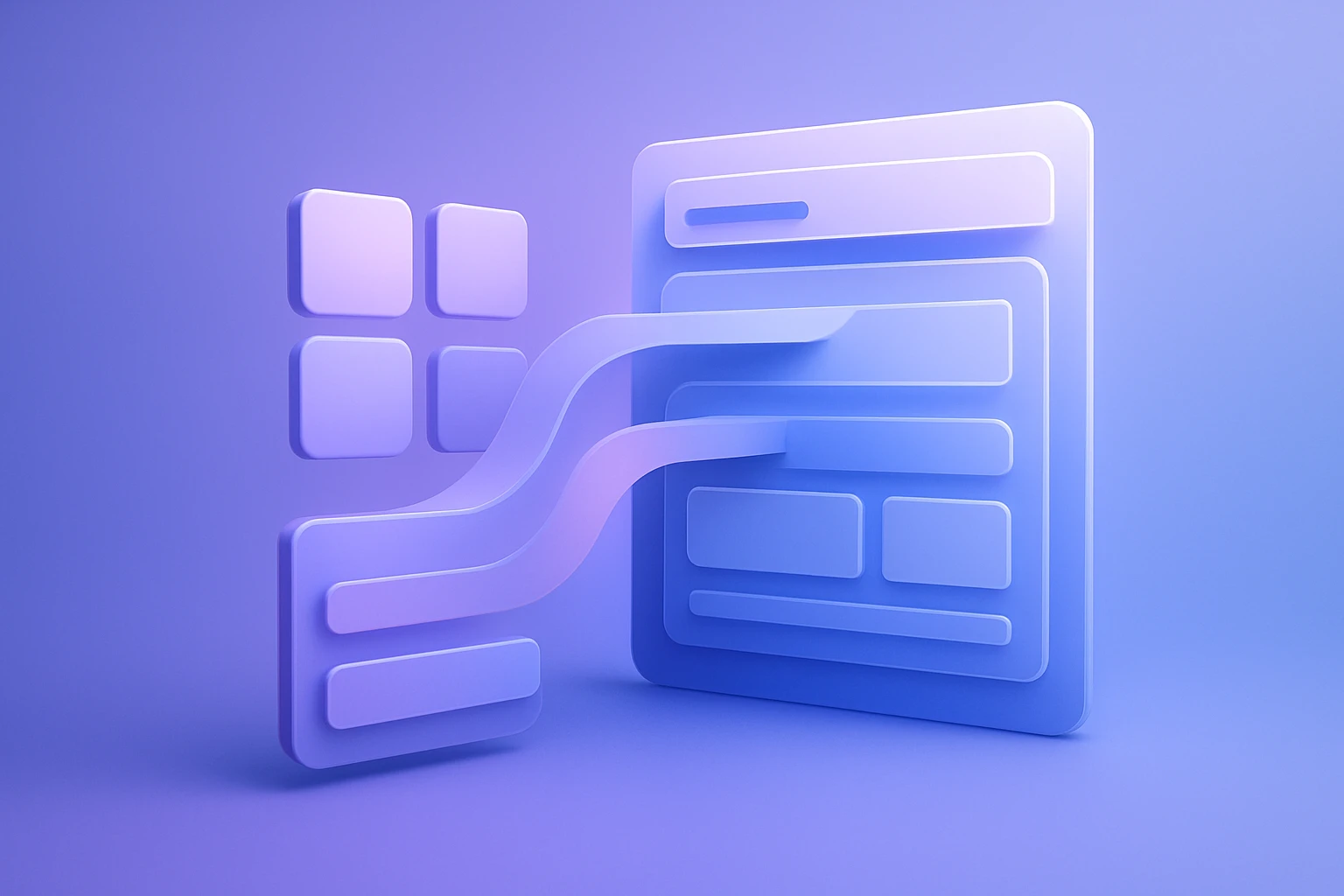
Mastering the Translation: Bridging Figma Components to WordPress Blocks The core challenge of converting a design from Figma to WordPress lies not in the tools, but in the logical mapping of figma components to WordPress blocks. This process, often called design mapping, requires a designer or developer to interpret the visual hierarchy created in Figma Read more…
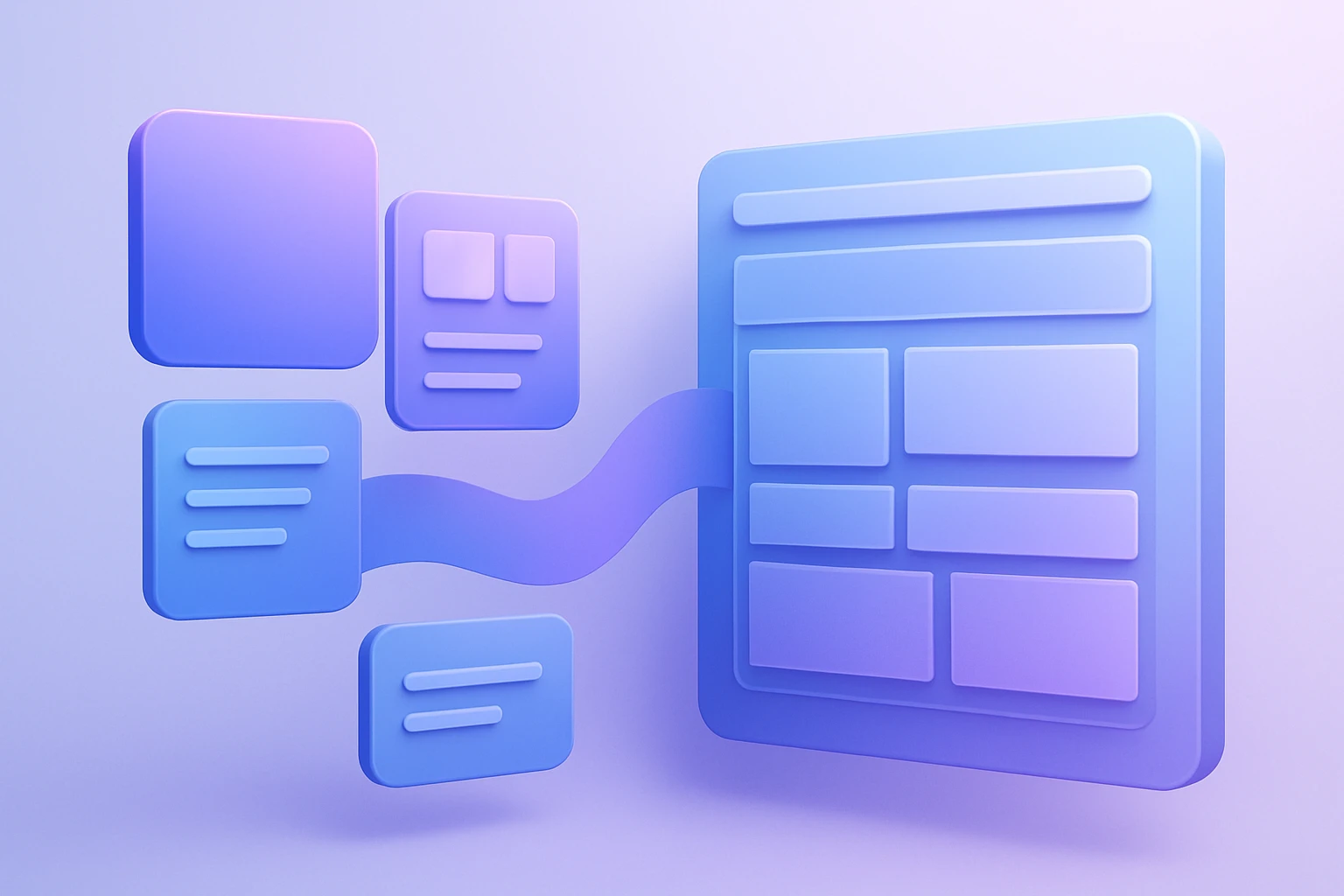
Transforming Visual Design into Scalable Code with Design Tokens The handoff from designer to developer has historically been one of the most painful bottlenecks in web projects, often resulting in inconsistent colors, mismatched typography, and hours of manual refront. However, the integration of design tokens into a WordPress workflow using Figma tokens has revolutionized this Read more…